


 Fair and ethically
 traded products
- Offering authentic, sustainable products that support artisans, their families, and indigenous ways Learn More...
 Providing a connection to the sacred arts of indigenous communities
- Consciously serving our community for over 22 years with integrity and passion Learn More...
 Living in harmoney with each other and our earth
- Reducing our use of resources with Earth conscious shipping and packaging practices Learn More...
Fair and ethically traded products
Offering authentic, sustainable products that support artisans, their families, and indigenous ways

Providing a connection to the sacred arts of Indigenous communities
Consciously serving our community for over 22 years with integrity and passion

Living in harmony with each other and our earth
Reducing our use of resources with Earth conscious shipping and packaging practices
Fair and ethically traded products. Learn More
- Offering authentic, sustainable products that support artisans, their families, and indigenous ways Learn More...
 Providing a connection to the sacred arts of indigenous communities. Learn More
- Consciously serving our community for over 22 years with integrity and passion Learn More...
Living in harmoney with each other and our earth. Learn More
- Reducing our use of resources with Earth conscious shipping and packaging practices Learn More...
Live in harmony with each other and our Earth
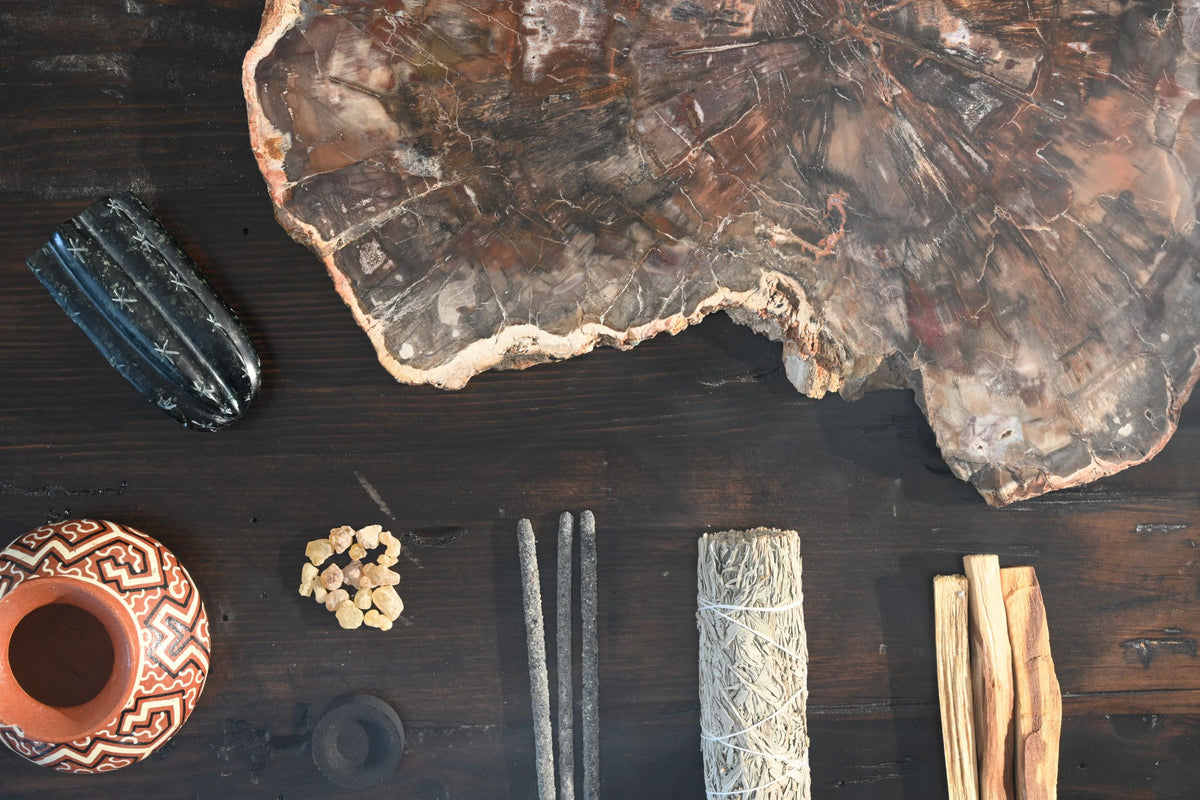

We aim to cultivate and enhance spiritual, soul-centered living through fair trade, sustainable and artisan products that promote cultural wisdom and world heritage.
Fair and ethically traded products
Offering authentic, sustainable products that support artisans, their families, and indigenous ways
Providing a connection to the sacred arts of indigenous communities
Consciously serving our community for over 17 years with integrity and passion
Living in harmony with each other and our earth
Reducing our use of resources with Earth conscious shipping and packaging practices
Free US Shipping
Free shipping on orders over $75, continental USA
Money Back Guarantee
We offer 100% Money Back Guarantee. You love it or we pay you back.
Phone and email support
We’re here to answer all your questions


Fair and ethically traded products
Offering authentic, sustainable products that support artisans, their families, and indigenous ways

Providing a connection to the sacred arts of Indigenous communities
Consciously serving our community for over 22 years with integrity and passion

Living in harmony with each other and our earth
Reducing our use of resources with Earth conscious shipping and packaging practices
