
Free Shipping over $75 within the contiguous US


Despacho describes the Andean practice of making offerings to the mountains (apus), Mother Earth (Pachamama), and other spirits of nature in reciprocity, reverence, and thanksgiving. A despacho is an act of love and a reminder of the connections we share with all beings, elements, spirits, and sacred places. At the deepest level, it is an opportunity to enter into the essential unity of all things, the living energy of the universe. Unkhunas, or despacho cloths, are used ceremonially for carrying a completed despacho offering to the sacred fire for ceremonial burning or burial and honoring mother earth.

Q'ero
| Size | 17.5" H x 17" W |
 Fair Trade
 Hand Made
 Supports Indigenous Cultures
Q'ero Andean Carrying Cloth is backordered and will ship as soon as it is back in stock.
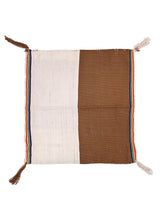
Like the despacho cloth, the Q'ero use these plain-woven pieces to carry goods and food. Q'ero carrying clothes are woven in subtle, natural shades in a half design. Each one has a very fine drape and is woven from soft wool, likely alpaca or an alpaca blend.
Use it as your mesa cloth or for your personal sacred space, or as an overlay on your altar. These cloths may appear gently used as seen in photos. Woven in the high Andes of Peru.
Despacho describes the Andean practice of making offerings to the mountains (apus), Mother Earth (Pachamama), and other spirits of nature in reciprocity, reverence, and thanksgiving. A despacho is an act of love and a reminder of the connections we share with all beings, elements, spirits, and sacred places. At the deepest level, it is an opportunity to enter into the essential unity of all things, the living energy of the universe. Unkhunas, or despacho cloths, are used ceremonially for carrying a completed despacho offering to the sacred fire for ceremonial burning or burial and honoring mother earth.
Q'ero
| Size | 17.5" H x 17" W |

Q'ero Andean Carrying Cloth

Q'ero Andean Carrying Cloth is backordered and will ship as soon as it is back in stock.
 Fair and ethically traded products
Offering authentic, sustainable products that support artisans, their families, and indigenous ways
Learn More... Providing a connection to the sacred arts of indigenous communities
Consciously serving our community for over 22 years with integrity and passion
Learn More... Living in harmony with each other and our earth
Reducing our use of resources with Earth conscious shipping and packaging practices
Learn More...
Like the despacho cloth, the Q'ero use these plain-woven pieces to carry goods and food. Q'ero carrying clothes are woven in subtle, natural shades in a half design. Each one has a very fine drape and is woven from soft wool, likely alpaca or an alpaca blend.
Use it as your mesa cloth or for your personal sacred space, or as an overlay on your altar. These cloths may appear gently used as seen in photos. Woven in the high Andes of Peru.
