A story-based guide to the techniques of shamanic healing
• Details indigenous medicine tools and soul healing techniques, including diagnosis and energy cleansing with plants, stones, fire, flower essences, and sound
• Offers protection and self-defense techniques for confronting negative energies such as spirit attachment and possession
• Shares healing stories that each address a specific condition, such as panic attacks, PTSD, depression, cancer, chronic pain, grief, and relationship problems
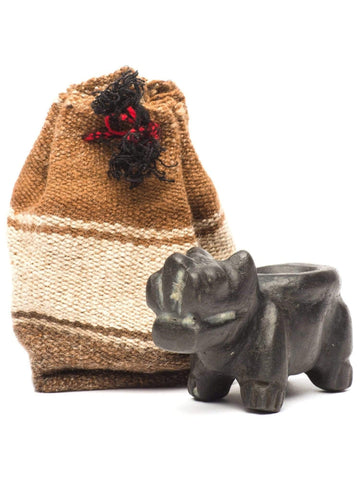
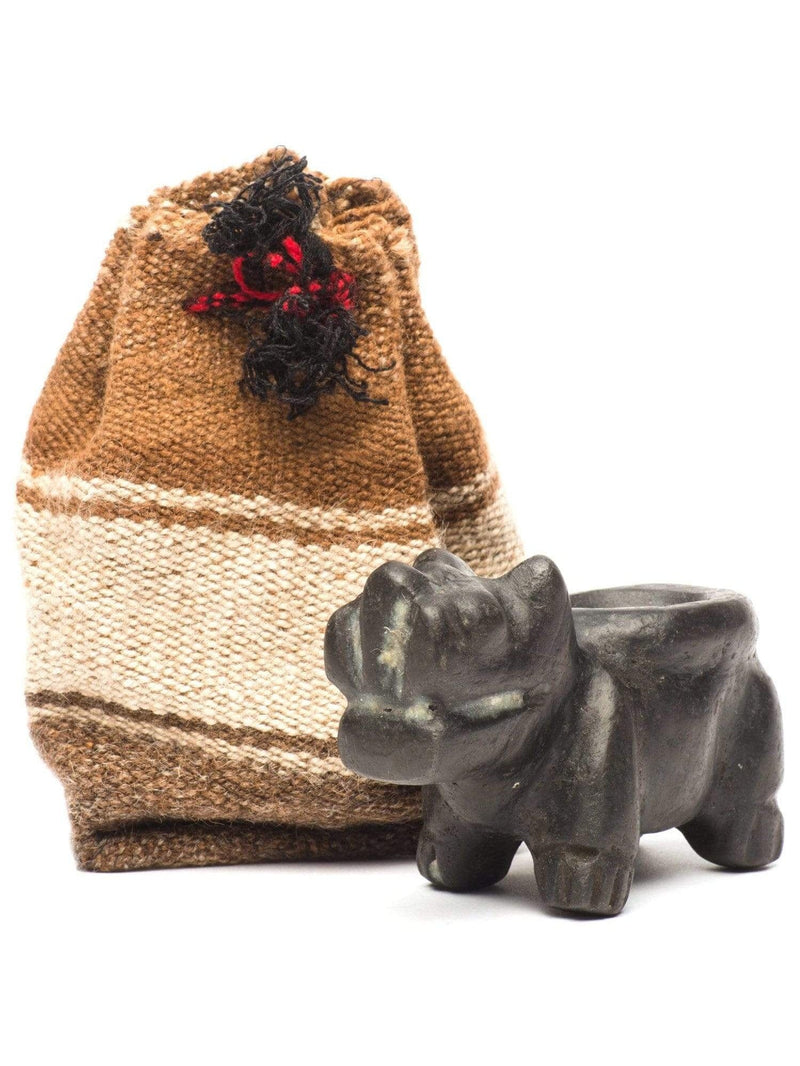
A piece for your sacred offerings and made in Peru. This solid and sturdy, hand carved black offering bowl is fashioned from a very dark and dense metallic stone called Hiwaya in Quechua, an Andean language. Its properties are similar to those of hematite which grounds and protects us and strengthens our connection with Pachamama, making us feel safe and secure. It endows us with courage, strength, endurance and vitality.
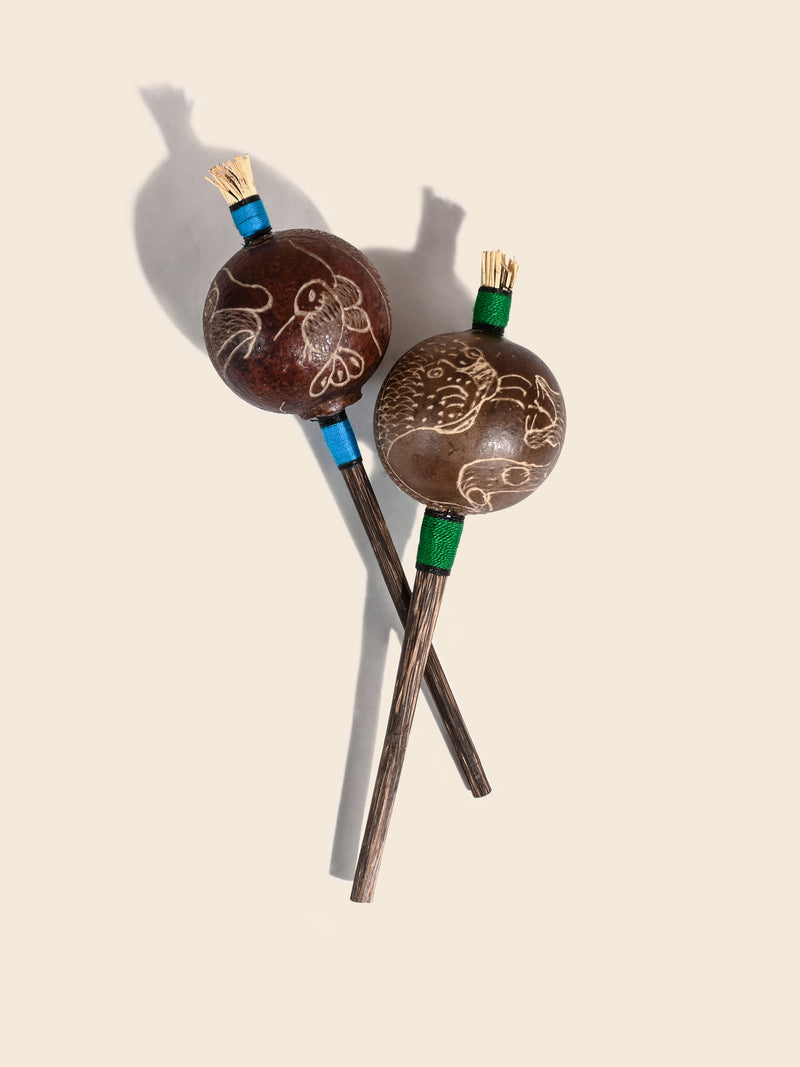
Discounted: This rattle has been discounted because the handle was damaged and repaired with wood filler.
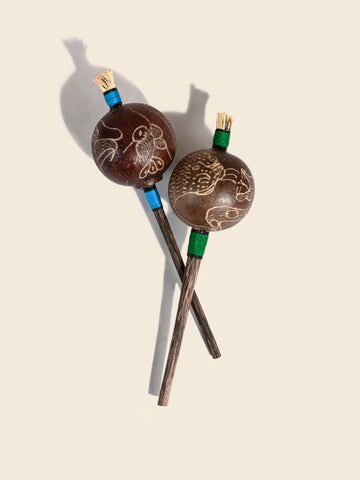
Sacred ceremonial rattle skillfully handcrafted in the Peruvian Amazon. This rattle features four animal images representing the four sacred archetypes or directions in the Andean cosmos: Jaguar (otorongo), the Serpent (amaru or sachamama), Condor (apuchin/kuntor), and the Royal Hummingbird (siwar kinte). Trimmed with colorful cotton thread windings and natural fibers.
Each rattle is a unique piece of art and has its own sound! Due to the natural materials used, your rattle may vary slightly from the photo shown and measurements are approximate.
Using beautiful storytelling to relay traditional tales passed down through the generations, Marshall once again takes the reader on a journey of growth and inspiration. Each chapter presents one story that exemplifies a quality or way of life that will encourage in readers a sense of inner peace amidst the busyness of modern life. From the hunting adventures of the raven and the wolf, we see the importance of tolerance; the lessons of the grasshopper impart the wisdom of patience; and the experiences of a young man named Walks Alone teach us about silence and turning within.
Speaking to these and other universal qualities, such as faith and selflessness, Marshall gives readers insight into their own lives using tales from the past interspersed with stories from his own life growing up on the Rosebud Sioux Indian Reservation in South Dakota. In him, we see a clear example of the wisdom of history enhancing the state of the current world. This magnificent work will give readers an insider's view of the Lakota people while providing universal lessons to enrich life.
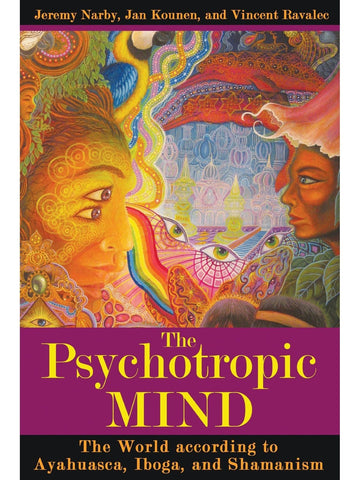
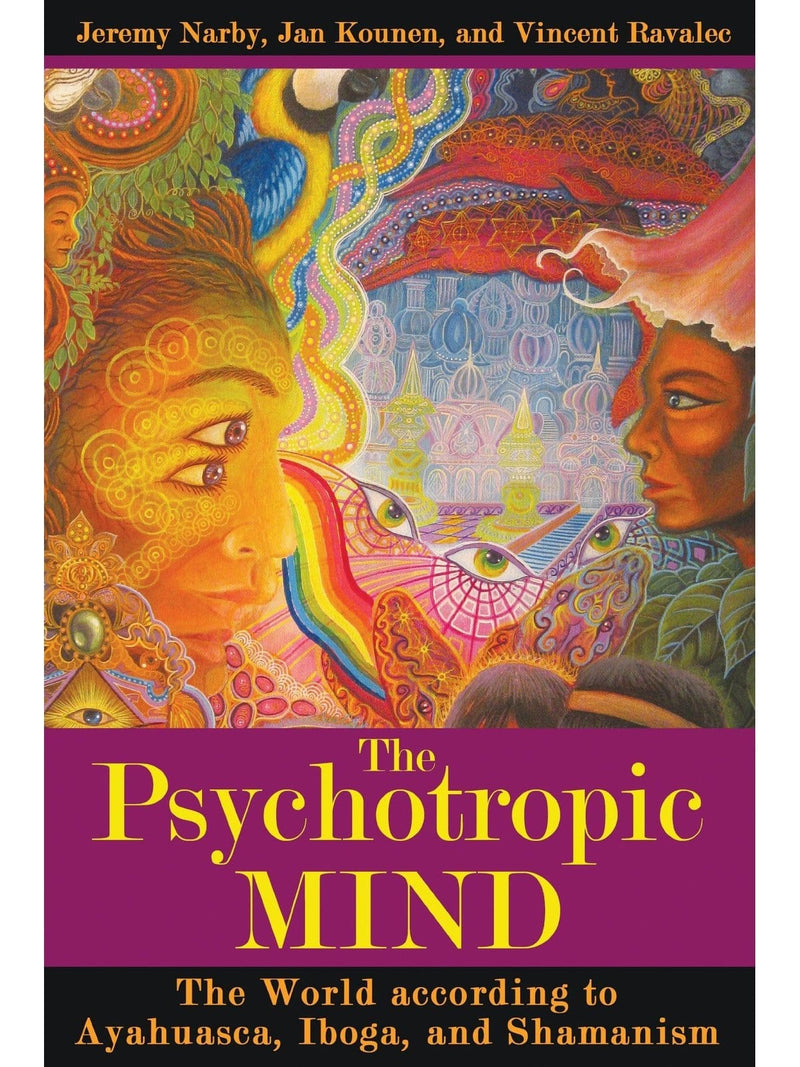
Conversations on shamanism and mind-altering plants by filmmaker Jan Kounen, anthropologist Jeremy Narby, and writer/filmmaker Vincent Ravalec.
In the Amazon, shamans do not talk in terms of hallucinogens but of tools for communicating with other life-forms. Ayahuasca, for example, is first and foremost a means of breaking down the barrier that separates humans from other species, allowing us to communicate with them. The introduction of plant-centered shamanism into the Western world in the 1970s was literally the meeting of two entirely different paradigms. In The Psychotropic Mind, three of the individuals who have been at the forefront of embracing other ways of knowing look at the ramifications of the introduction into our Western culture of these shamanic practices and the psychotropic substances that support them.
With rare sincerity and depth, noted anthropologist Jeremy Narby, filmmaker Jan Kounen, and writer/filmmaker Vincent Ravalec explore the questions of sacred plants, initiations, hallucinogens, and altered states of consciousness, looking at both the benefits and dangers that await those who seek to travel this path. Focusing specifically on ayahuasca and iboga, psychotropic substances with which the authors are intimately familiar, they examine how we can best learn the other ways of perceiving the world found in indigenous cultures, and how this knowledge offers immense benefits and likely solutions to some of the modern world’s most pressing problems.
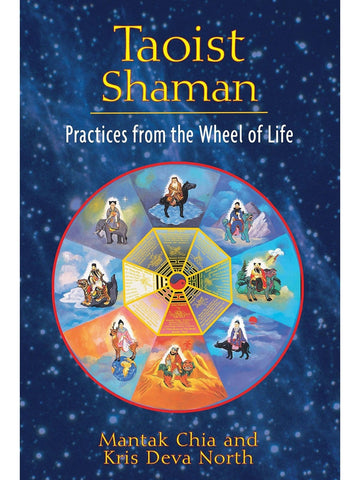
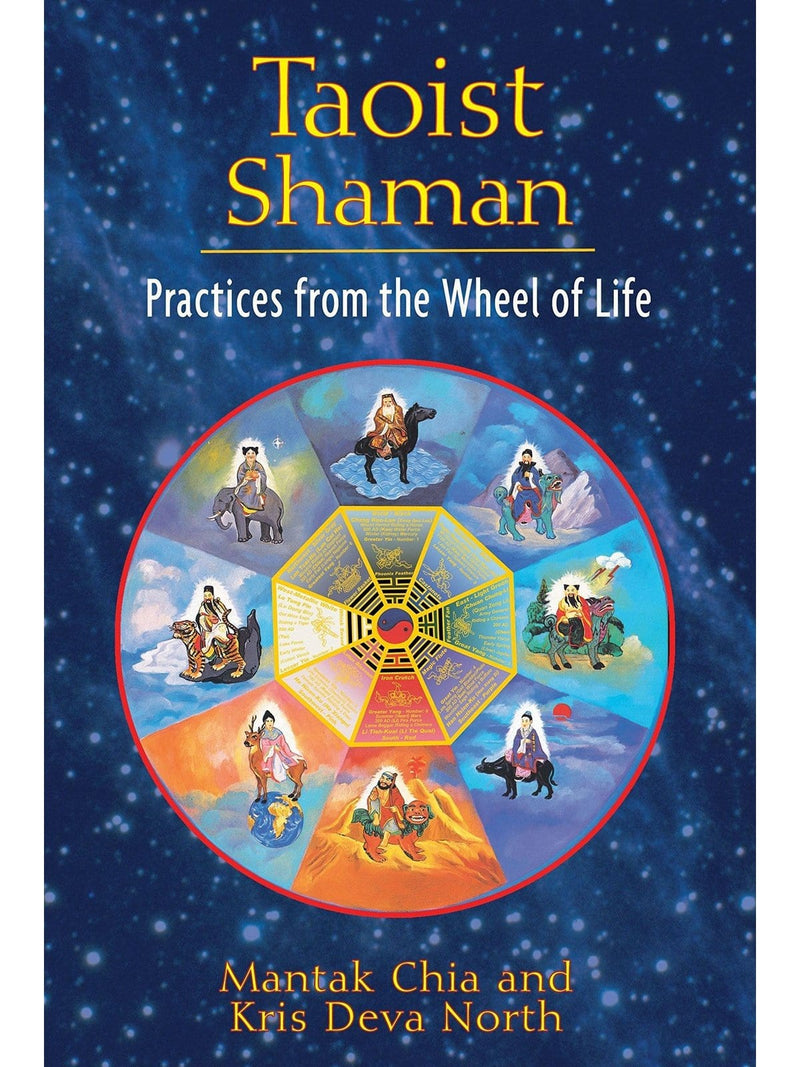
Thousands of years ago the immortals, known as the Shining Ones, shipwrecked on the Chinese coast. Passing their shamanic practices - such as ecstatic flight and how to find power animals and spirit guides - on to the indigenous people, they, also, taught them the wisdom of the Medicine Wheel. From the Taoist Medicine Wheel came the principles of Yin and Yang, the Five Elements, the Eight Forces, the Chinese zodiac and the I Ching. The Taoist Medicine Wheel can, also, be found at the foundation of traditional Chinese medicine and the esoteric sexual practices of Taoist Alchemy.
Hand-woven ch'uspa, or bag, reflects traditional motifs of the Q'ero, a group that some believe are the direct descendants of the ancient Incas. Woven by the Q'ero peoples of Peru.
Handwoven this bag reflects the range of beautiful natural hues in the fiber of the animals that are so sacred in highland Peru. Finely woven, this Q’ero Chuspa bears the traditional icons of Cocha or waters, Ch’askas or stars, Apu or mountain spirit, and traditional Peruvian edging of mayu or river, also seen running through the strap. The stripes tell the story of balance and life-giving Pachamama.
Two tassels embellish the bottom edge of the bag. Measures 14 x 13 inches with a strap drop of 24 inches. Perfect for carrying mesa and your other ceremonial artes. This is a beauty!
Due to handmade nature of this product yours may vary slightly from the photo.
The beautiful tones of Shona music are attainable for all through this handcrafted wood and metal mbira. The hand-carved wooden base is affixed with wide recycled metal tines and a resonator to add a little buzz. A beautiful gift for world music enthusiasts!
Because this is a handcrafted item, each will vary slightly.
Our traditional Q'ero hand woven ch'uspakuna, or cocoa bag, features brightly colored stripes flanking in the center band the motif for Inkarri, the cultural folk hero of the Incas in one of his anthropomorphic forms. A perfect and practical place to store your artes for travel. Hand woven and sewn by Qero in the high Andes of Peru.
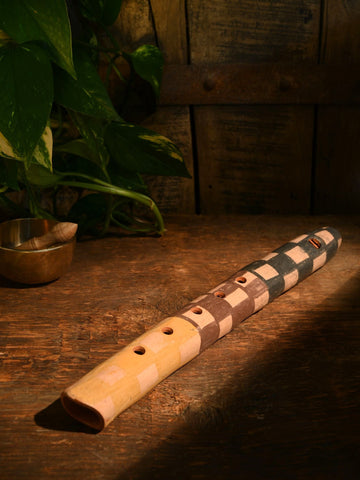
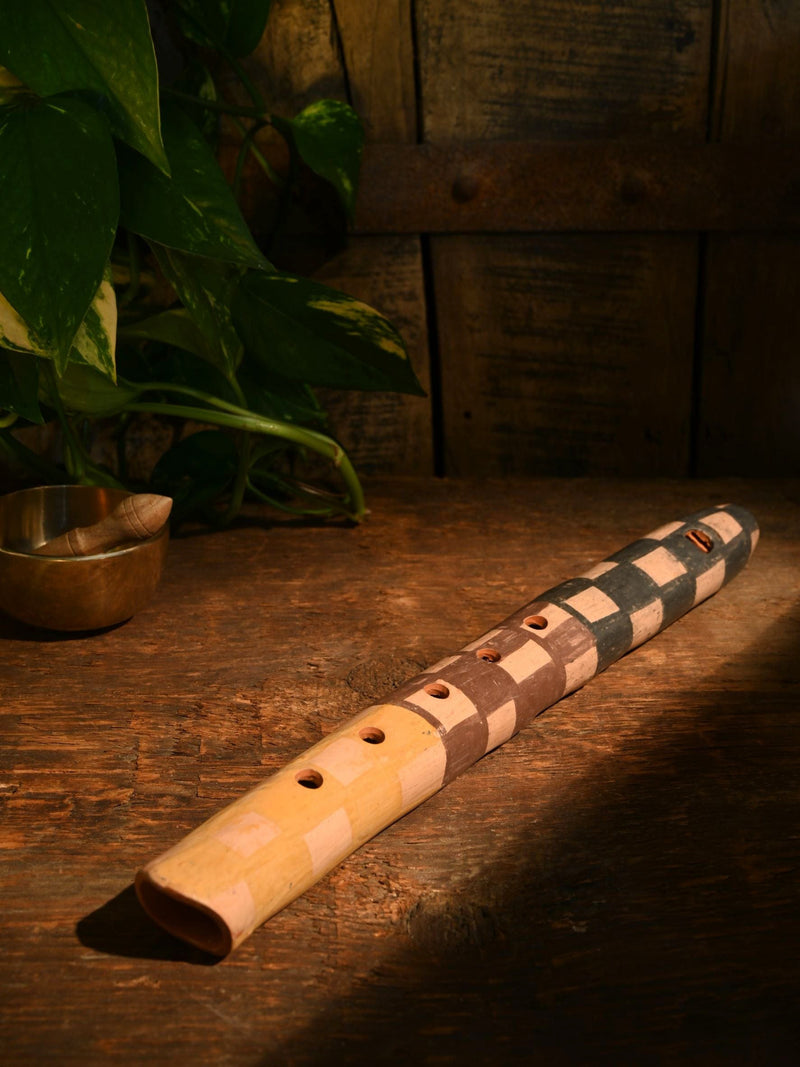
This Flauta Ajedrez, Chess Flute, is a recreation of a polychrome flute based on the Nazca style. Designed with a chessboard pattern and five fingering holes. A functional instrument and a brilliant piece of art. Exquisite craftsmanship by ethnomusicologist Jose Vitancio Humeres. Made in Peru.
Replica of a polychrome antara from the Nazca culture with thirteen tubes and designs of the rain throughout. Exquisitely sculpted by ethnomusicologist Jose Vitancio Humeres of Peru.
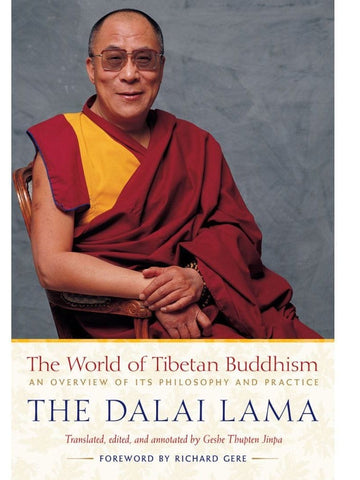
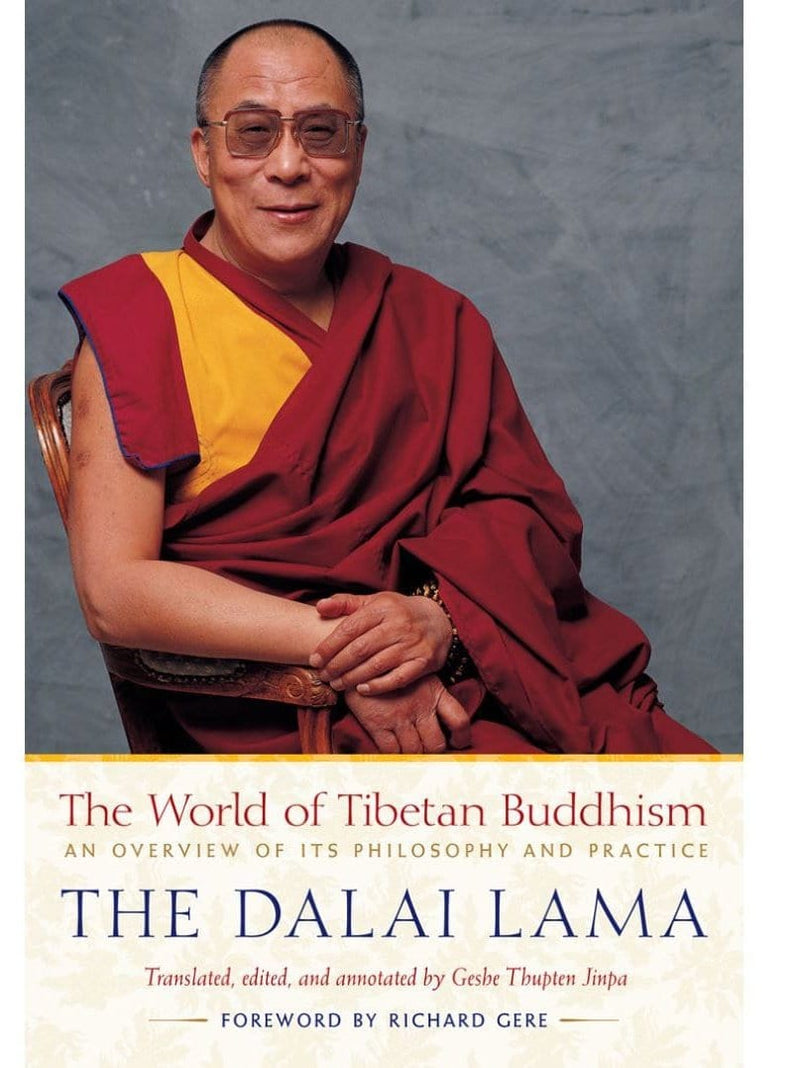
The World of Tibetan Buddhism is the definitive explanation of Tibetan Buddhism by the world's ultimate authority, His Holiness the Dalai Lama. First providing a general overview of the most elemental Buddhist concepts and terms, the Dalai Lama then goes into reasonable depth on Buddhist values and the Tibetan practice of Vajrayana Buddhism, with a focus on Tantra.
Choosing a selection results in a full page refresh.
Select a purchase option to pre order this product