
Free Shipping over $75 within the contiguous US


The rayed diamond pattern of the Q'ero represents Inti, the sun God. This design is seen woven into the oldest surviving hand-woven Q'ero shawls. The rays of the rising sun are woven with light colors, contrasted with those of the setting sun in dark colors.

Q'ero
| Size | 24.5" L x 24" W |
 Fair Trade
 Hand Made
 Supports Indigenous Cultures
Q'ero Andean Lliklla Mestana Cloth - Inkarri is backordered and will ship as soon as it is back in stock.
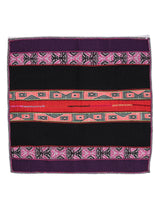

Imbue your mesa or sacred altar cloth with this beautifully handwoven mestana cloth. Our colorful mestana cloth features the Inkarri motif: Inkarri, cultural hero and founder of the Inkas. The broad black stripes represent life-giving Pachamama and the two sides of the cloth are joined in the middle with alpaca stitched to represent the mayu or River of the Sky or Milky Way. It can also be used as a wall hanging in your sacred space.
Woven by Q'ero women in the high Andes, this weaving makes a perfect ground cloth for your sacred altar or mesa bundle.
The rayed diamond pattern of the Q'ero represents Inti, the sun God. This design is seen woven into the oldest surviving hand-woven Q'ero shawls. The rays of the rising sun are woven with light colors, contrasted with those of the setting sun in dark colors.
Q'ero
| Size | 24.5" L x 24" W |

Q'ero Andean Lliklla Mestana Cloth - Inkarri

Q'ero Andean Lliklla Mestana Cloth - Inkarri is backordered and will ship as soon as it is back in stock.
 Fair and ethically traded products
Offering authentic, sustainable products that support artisans, their families, and indigenous ways
Learn More... Providing a connection to the sacred arts of indigenous communities
Consciously serving our community for over 22 years with integrity and passion
Learn More... Living in harmony with each other and our earth
Reducing our use of resources with Earth conscious shipping and packaging practices
Learn More...
Imbue your mesa or sacred altar cloth with this beautifully handwoven mestana cloth. Our colorful mestana cloth features the Inkarri motif: Inkarri, cultural hero and founder of the Inkas. The broad black stripes represent life-giving Pachamama and the two sides of the cloth are joined in the middle with alpaca stitched to represent the mayu or River of the Sky or Milky Way. It can also be used as a wall hanging in your sacred space.
Woven by Q'ero women in the high Andes, this weaving makes a perfect ground cloth for your sacred altar or mesa bundle.
