Our intricately hand-embroidered Shipibo cotton table runner features a striking traditional Peruvian Amazon pattern inspired by theShipibo'srelationship with theirayahuasca-based, jungle cosmology. This icaro, or plant medicine song design, is expertly created by hand byShipibo women. Use as a ground cloth for your altar or mesa. Others use as an overlay to an existing cloth. Can also be hung as artwork.
The design on this cloth is a song for protection of the chacruna and ayahuasca visions for body cleansing.
Kuripe blowpipe made of bamboo cane; used for self-administering rapé medicine. Handmade of high-quality bamboo and features a Huayruro seed. Both ends have been sanded and smoothed for comfort, and the insides have been widened for the most efficient powder medicine delivery. Hand-made so no two are exactly alike having minor cosmetic variations in the bamboo and the ornamentation that will not affect the purpose of medicine application. Rapé is a sacred and powerful (and legal) medicine originating in Brazil and Peru, used for healing and cleansing. It is made from various Amazonian medicinal plants, trees, seeds, and vines, and most often Mapacho tobacco. One administers it by blowing it through a Kuripe into each nostril. In some traditions, rapé is used in conjunction with Ayahuasca or San Pedro during ceremony to help with grounding, blockages or to aid in purging.
Sold individually, color will vary; yours will be intuitively hand-selected for you! See photos for potential colors you may receive.
Salvia divinorum has been used since ancient times by the Mazatec shamans of Mexico for divination, vision quests, and healing. Known by many names--nearly all associated with the Virgin Mary, who has come to symbolize the spirit of salvia--this plant ally is now regarded as the most powerful natural hallucinogen.
Providing the first practical guide to the shamanic, spiritual, and therapeutic uses of salvia, Ross Heaven shares his in-depth quest to connect with the spirit of this plant teacher. He explores recent clinical research into its many long-term psychological effects, such as increased insight and self-confidence, improved mood and concentration, and feelings of calmness and connection with nature, as well as salvia’s potential for combating diseases like Alzheimer’s, depression, and even cocaine addiction.
Reviewing the traditional Mazatec ceremonies surrounding salvia’s harvest and use, Heaven describes appropriate methods of consumption, typical dosages, and the shamanic diet he used to increase salvia’s effectiveness. Examining firsthand accounts of salvia journeys from around the world, he decodes the meaning of the symbolic images experienced during salvia’s ecstatic embrace and details the interplay between salvia and the lucid dreaming state. Comparing salvia to ayahuasca and the San Pedro cactus, Heaven explains that salvia’s greatest strength as a shamanic plant ally lies in its ability to connect you with your higher purpose and aid you in envisioning your unique path in life.
Kuripe blowpipe made of Palo Sangre Wood; used for self-administering rapé medicine. Handmade of high-quality Palo Sangre Wood also known as Bloodwood due to its dark red color and red sap. Palo Sangre wood is traditionally used to make ceremonial pipes for shamanic practices. Both ends have been sanded and smoothed for comfort, and the insides have been widened for the most efficient powder medicine delivery. Hand-made so no two are exactly alike having minor cosmetic variations in the wood and the ornamentation that will not affect the purpose of medicine application. Rapé is a sacred and powerful (and legal) medicine originating in Brazil and Peru, used for healing and cleansing. It is made from various Amazonian medicinal plants, trees, seeds, and vines, and most often Mapacho tobacco. One administers it by blowing it through a Kuripe into each nostril. In some traditions, rapé is used in conjunction with Ayahuasca or San Pedro during ceremony to help with grounding, blockages or to aid in purging.
Hand embroidered Shipibo-Conibo cotton cloth features an original and intricate design in striking colors inspired by the Shipibo's relationship with their ayahuasca based, jungle cosmology. Hand woven by Shipibo women in Peru, each piece takes weeks to create and is an original piece of living art. These cloths can be used for an overlay on your altar or used as wall hangings.
The song on this cloth is a design for more wisdom.
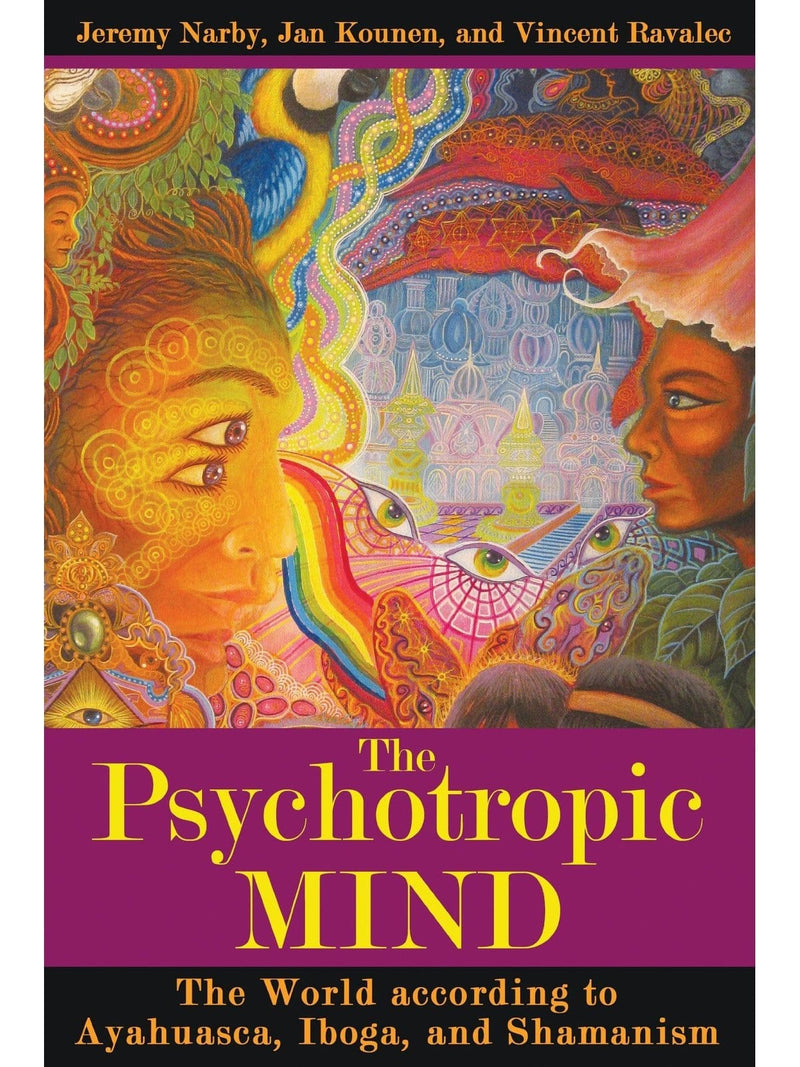
Conversations on shamanism and mind-altering plants by filmmaker Jan Kounen, anthropologist Jeremy Narby, and writer/filmmaker Vincent Ravalec.
In the Amazon, shamans do not talk in terms of hallucinogens but of tools for communicating with other life-forms. Ayahuasca, for example, is first and foremost a means of breaking down the barrier that separates humans from other species, allowing us to communicate with them. The introduction of plant-centered shamanism into the Western world in the 1970s was literally the meeting of two entirely different paradigms. In The Psychotropic Mind, three of the individuals who have been at the forefront of embracing other ways of knowing look at the ramifications of the introduction into our Western culture of these shamanic practices and the psychotropic substances that support them.
With rare sincerity and depth, noted anthropologist Jeremy Narby, filmmaker Jan Kounen, and writer/filmmaker Vincent Ravalec explore the questions of sacred plants, initiations, hallucinogens, and altered states of consciousness, looking at both the benefits and dangers that await those who seek to travel this path. Focusing specifically on ayahuasca and iboga, psychotropic substances with which the authors are intimately familiar, they examine how we can best learn the other ways of perceiving the world found in indigenous cultures, and how this knowledge offers immense benefits and likely solutions to some of the modern world’s most pressing problems.
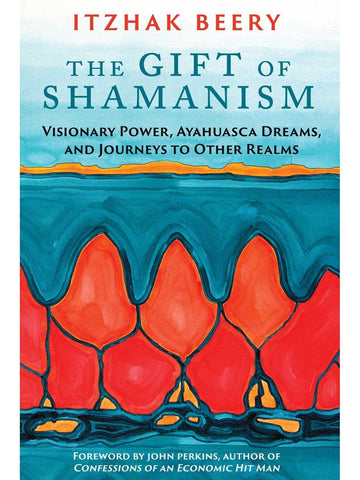
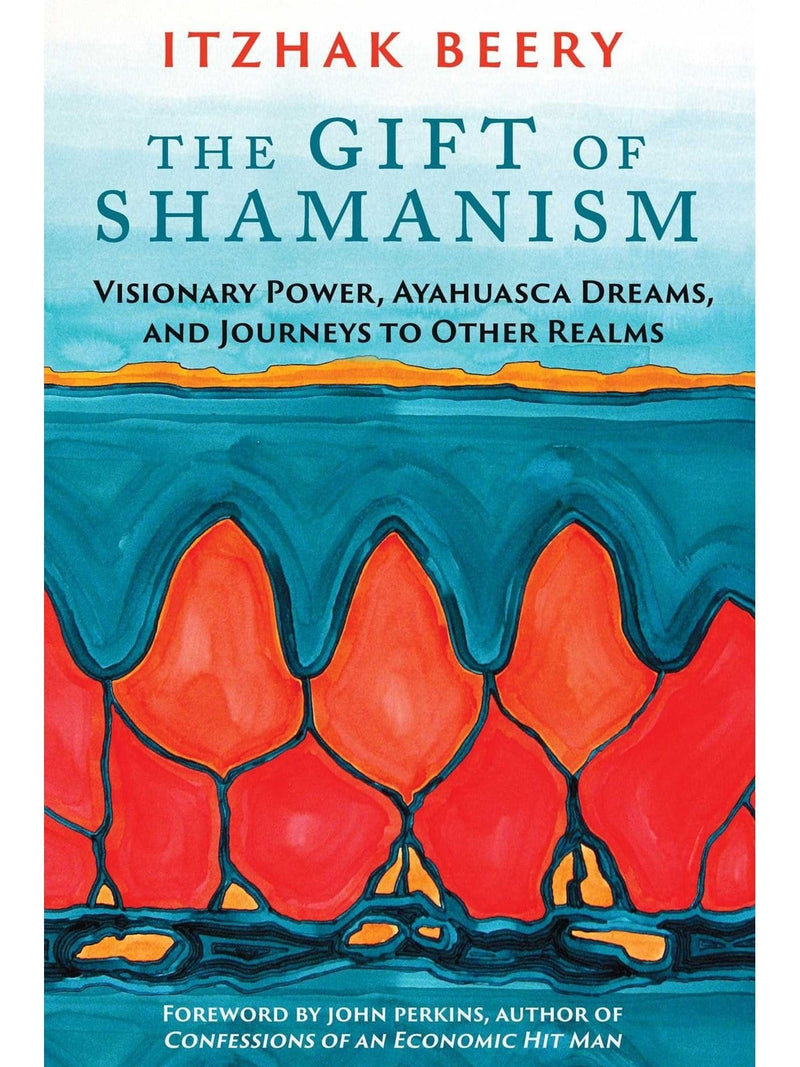
Each and every one of us has shamanic powers. Glimpses of them can arise at any age in the form of intuitive dreams, deja vu, spontaneous visions, and out-of-body experiences. Most people dismiss these experiences. However, by embracing these gifts, we can unlock our shamanic potential to change ourselves and the world around us. Revealing his transformation from skeptic to respected shamanic healer, Itzhak Beery explains how, after countless prescient dreams and visions throughout his life that he brushed off, a series of synchronistic events led to his first shamanism workshop with Michael Harner, renowned shamanism scholar and teacher. Beery shares his experiences with ayahuasca rituals in the Amazon, messages from power animals and plant spirits, dreams that foretold future events, and holographic sightings of past lives and spiritual entities, both evil and benign.
Hand-embroidered Shipibo-Conibo cotton cloth features an original and intricate design in striking colors inspired by the Shipibo's relationship with their ayahuasca-based, jungle cosmology. Each piece takes weeks to create and is an original piece of living art. These cloths can be used for an overlay on your altar or used as wall hangings.
The song woven on this cloth is a design to support productivity, right action, and good business negotiations.
Hand-embroidered Shipibo-Conibo cotton cloth features an original and intricate design in striking colors inspired by the Shipibo's relationship with their ayahuasca-based, jungle cosmology. Each piece takes weeks to create and is an original piece of living art. These cloths can be used for an overlay on your altar or used as wall hangings.
The song woven on this cloth is for prosperity and energy of the animals for good thoughts.
A journey into the deeper workings of indigenous healing in the Amazon.
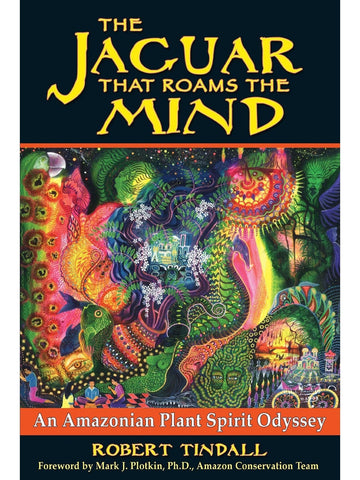
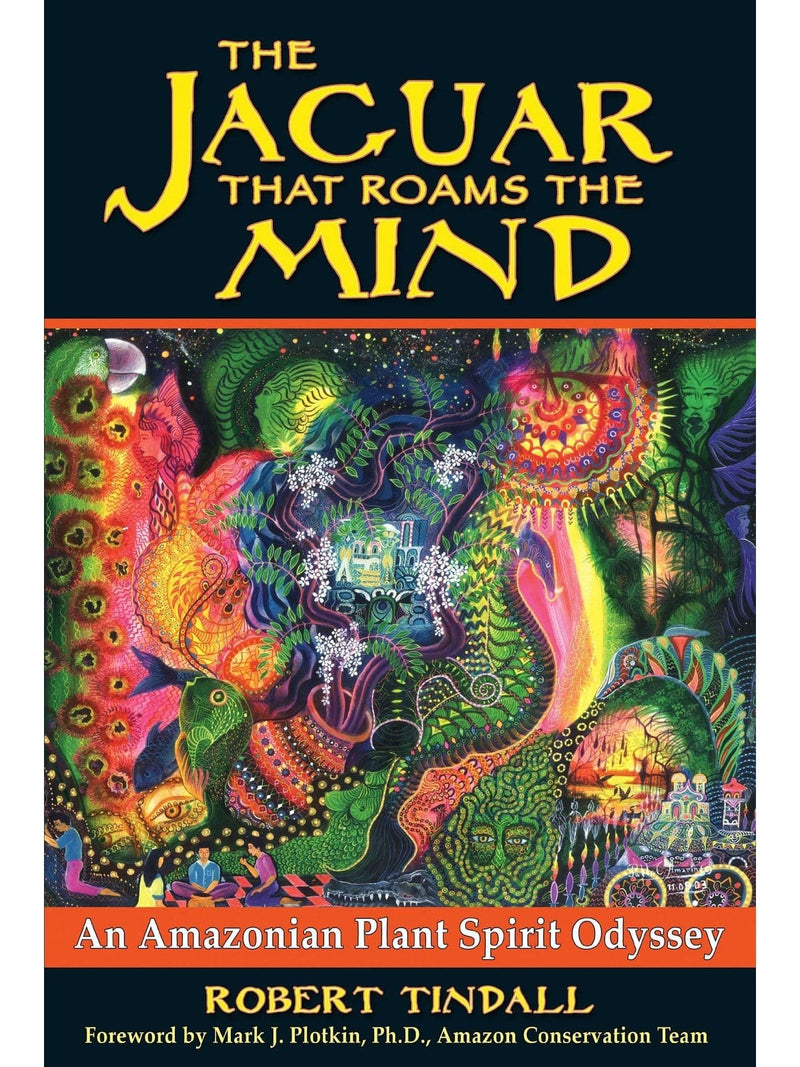
The Jaguar that Roams the Mind is a journey into the vanishing world of Amazonian shamanism--an adventure of initiation and return--that explores the unique reality at the heart of the Amazonian healing system. Robert Tindall shares his journeys through the inner and outer landscape of the churches of ayahuasca and with the Kaxinawa Indians in Brazil; his experiences at the pioneering center for the treatment of addiction, Takiwasi, in Peru; and his studies with an Ashaninca master shaman deep in the rainforest jungle.
Moving beyond the scientific approach to medicinal plants, which seeks to reduce them to their chemical constituents, Tindall illustrates the shamans’ intimate relationships with plant spirits. He explores the three pillars of Amazonian shamanism: purging (drawing disease out of the body), psychoactive plants (including the ritual use of ayahuasca), and diet (communing with the innate intelligence of teacher plants). Through trials and revelations, the subtle inner logic of indigenous healing unfolds for him, including the “miraculous” healing of a woman suffering from a brain tumor. Culminating in a ceremony fraught with terror yet ultimately enlightening, Tindall’s journey reveals the crucial component missing from the metaphysics of the West: the understanding and appreciation of the sentience of nature itself.
Le choix d'une sélection entraîne l'actualisation de la page entière.
Select a purchase option to pre order this product