Free Shipping over $75 within the contiguous US

More Information

Hapé (also known as Rapé) is a sacred shamanic medicine that has been used by healers of the Amazon basin for thousands of years and has become an essential part of their tribal culture and history. Hapé is a complex blend of pulverized plants, which usually contain a strong tobacco, Nicotiana rustica, and sometimes also Nicotiana tabacum, as one of the main ingredients. Given the potency of the tobacco Nicotiana rustica, which is 20 times stronger than Nicotiana tabacum, hapé can elicit mind-altering effects (Stanfill et al. 2010). South American shamans use tobacco as a sacred, wholesome medicine, and there exists a very close connection between tobacco use and shamanism that has little in common with our Western way of tobacco use. Indigenous tribes use tobacco in ceremonies, to predict good weather, fishing, or harvest, and for spiritual and curing purposes, such as vision quests, trances, etc. (Wilbert 1987), but rarely for smoking. The use of tobacco by indigenous tribes in South America, such as the Kaxinawá, Nu-nu, Yawanawá, and Katukina, is profoundly entrenched in their culture and has been employed at least since the Mayan civilization for ritual, medicinal, and recreational purposes (Zagorevski and Loughmiller-Newman, 2012). In addition to tobacco, hapé preparations often contain pulverized and sieved leaves mixed with finely ground plant materials or alkaline ashes, e.g. camphor, cinnamon, tonka bean, clover, banana peel, and mint (Cardoso and Nascimento, 2008; Stanfill et al. 2015). The hapé ashes can, in addition, be made from psychoactive plants (McKenna, 1993). There exist special hapé preparations that contain hallucinogens, made for ceremonial and curing purposes. However, some hapé ingredients will always remain a secret of the shamanic tribe that composed it. Source: https://katukina.com/doc/rape
Nouvelle arrivée

Sacred Shaman Tepi Pipe

Hand MadeHand Made
Prix habituel $59.00
Color
🚚 Order within the next 2 hours, 15 minutes for delivery by 07 Jun, 2026.

Frequently Bought Together

Sacred Shaman Tepi Pipe
Sacred Shaman Tepi Pipe $59.00
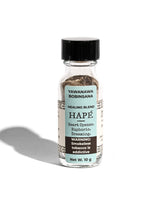
Hapé Yawanawa Bobinsana | so017 - 10 grams
Hapé Yawanawa Bobinsana$31.00
Hapé Huni Kuin 7 Herbs | so014 - 10 grams
Hapé Huni Kuin 7 Herbs$31.00
100% Money Back Guarantee

Large Tepi blow pipe, used for administering rapé medicine to another by blowing it into each nostril. Ends sanded and smoothed for comfort. Insides widened for the most efficient powder medicine delivery. No two are exactly alike having artistic variations in the wood, beadwork, and ornamentation. Hapé is a sacred and powerful and legal medicine originating in Brazil and Peru, used for healing and cleansing.

Choose your style.

SKU : si0340-Soplo

More Information

Hapé (also known as Rapé) is a sacred shamanic medicine that has been used by healers of the Amazon basin for thousands of years and has become an essential part of their tribal culture and history. Hapé is a complex blend of pulverized plants, which usually contain a strong tobacco, Nicotiana rustica, and sometimes also Nicotiana tabacum, as one of the main ingredients. Given the potency of the tobacco Nicotiana rustica, which is 20 times stronger than Nicotiana tabacum, hapé can elicit mind-altering effects (Stanfill et al. 2010). South American shamans use tobacco as a sacred, wholesome medicine, and there exists a very close connection between tobacco use and shamanism that has little in common with our Western way of tobacco use. Indigenous tribes use tobacco in ceremonies, to predict good weather, fishing, or harvest, and for spiritual and curing purposes, such as vision quests, trances, etc. (Wilbert 1987), but rarely for smoking. The use of tobacco by indigenous tribes in South America, such as the Kaxinawá, Nu-nu, Yawanawá, and Katukina, is profoundly entrenched in their culture and has been employed at least since the Mayan civilization for ritual, medicinal, and recreational purposes (Zagorevski and Loughmiller-Newman, 2012). In addition to tobacco, hapé preparations often contain pulverized and sieved leaves mixed with finely ground plant materials or alkaline ashes, e.g. camphor, cinnamon, tonka bean, clover, banana peel, and mint (Cardoso and Nascimento, 2008; Stanfill et al. 2015). The hapé ashes can, in addition, be made from psychoactive plants (McKenna, 1993). There exist special hapé preparations that contain hallucinogens, made for ceremonial and curing purposes. However, some hapé ingredients will always remain a secret of the shamanic tribe that composed it. Source: https://katukina.com/doc/rape
Fair and ethically traded products Fair and ethically traded products

Offering authentic, sustainable products that support artisans, their families, and indigenous ways

Learn More...

Providing a connection to the sacred arts of indigenous communities Providing a connection to the sacred arts of indigenous communities

Consciously serving our community for over 22 years with integrity and passion

Learn More...

Living in harmony with each other and our earth Living in harmony with each other and our earth

Reducing our use of resources with Earth conscious shipping and packaging practices

Learn More...